

Self-driving cars are no longer a concept limited to science fiction. Advancements in artificial intelligence, sensors, and connectivity have brought autonomous vehicles closer to reality. These cars promise to transform transportation, safety, and daily commuting. However, widespread adoption will take time, as technology, regulations, and public trust evolve. Understanding what to expect can help drivers, businesses, and policymakers prepare for this shift.
How Self-Driving Technology Works
Autonomous vehicles utilize a variety of cameras, radar, LIDAR, and AI algorithms to perceive and interpret their environment. These systems detect lanes, obstacles, pedestrians, and other vehicles to make real-time decisions. Software constantly analyzes data, predicting traffic patterns and potential hazards. This unique integration of hardware and software allows cars to navigate roads with minimal or no human input.
Levels of Autonomy
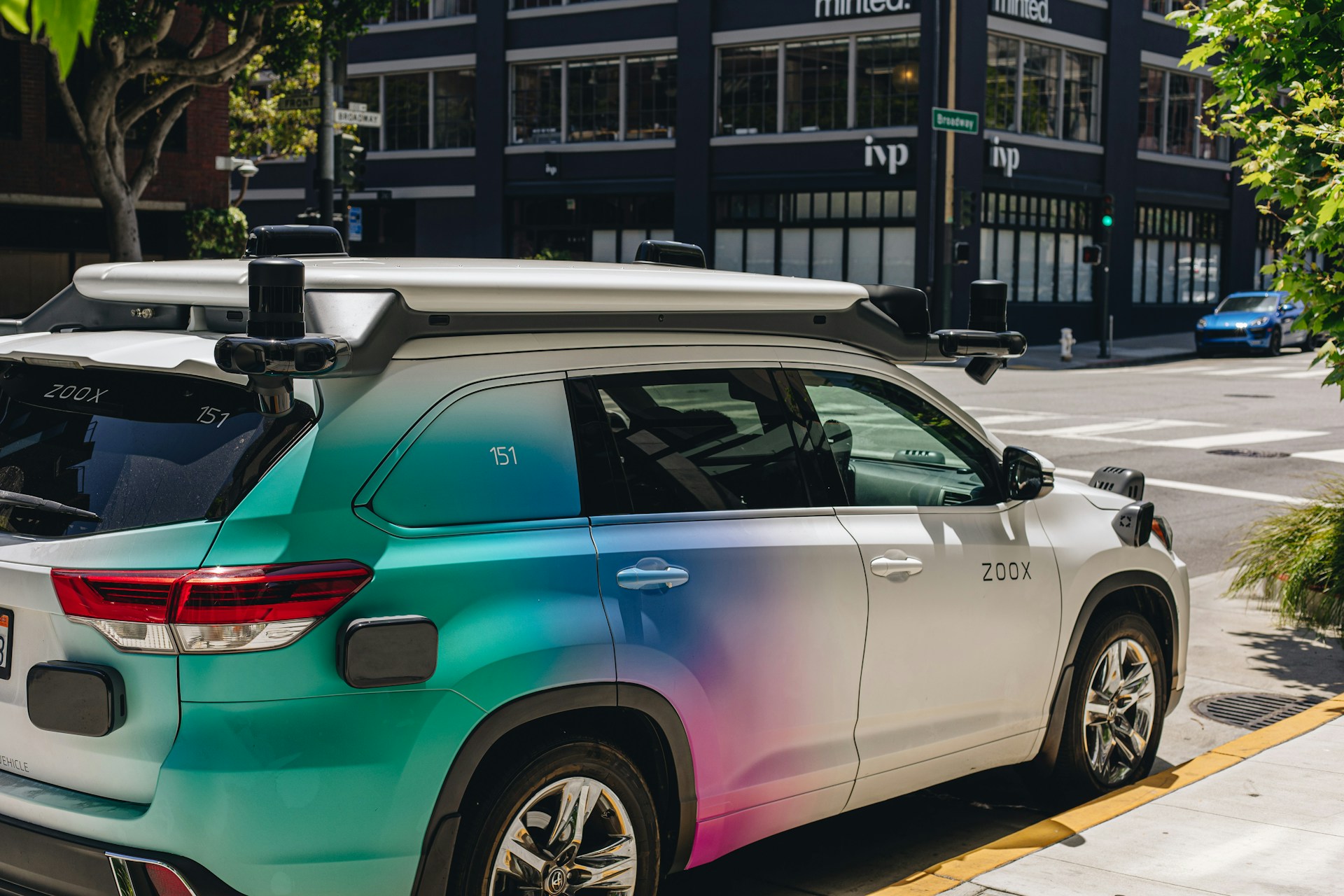
Self-driving technology is classified into levels, from 0 to 5. Level 0 requires full human control, while Level 5 represents complete automation in all conditions. Most vehicles on the road today fall between Levels 2 and 3, offering features like adaptive cruise control and lane-keeping assistance. Understanding these levels helps consumers set realistic expectations and ensures safe interaction with semi-autonomous vehicles.
Benefits for Safety
One of the most significant advantages of self-driving cars is improved safety. Human error causes the majority of accidents, including distracted driving, fatigue, and poor judgment. Autonomous systems follow traffic rules consistently and can react faster to sudden hazards. While no technology is flawless, the potential to reduce accidents and save lives is substantial.
Environmental and Efficiency Impacts
Self-driving cars may also improve traffic flow and fuel efficiency. Autonomous systems can optimize speed, braking, and route selection, reducing congestion and emissions. Shared self-driving vehicles could decrease the total number of cars on the road, further cutting environmental impact. These changes contribute to a more sustainable transportation system in the long term.
Challenges and Risks
Despite the promise, self-driving cars face challenges. Technology is complex and can fail in unexpected conditions, such as severe weather or poorly marked roads. Cybersecurity is another concern, as vehicles connected to networks are vulnerable to hacking. Ethical questions also arise, like how an autonomous vehicle should react in unavoidable accident scenarios. Addressing these risks is crucial for public adoption.
Regulatory and Legal Considerations

Government regulations will play a key role in shaping the future of autonomous vehicles. Laws must define liability in accidents, safety standards, and testing protocols. Different countries and states have varying approaches, which can affect deployment speed. Clear regulations ensure that manufacturers, drivers, and insurance providers have a framework to operate safely and fairly.
Public Perception and Adoption
Public trust is essential for self-driving cars to become mainstream. Surveys show mixed opinions, with some consumers eager to adopt the technology and others hesitant due to safety concerns. Education, transparency, and real-world demonstrations can help people feel comfortable with autonomous vehicles. Gradual integration, starting with limited areas or shared fleets, may ease the transition.
The Future of Transportation
Self-driving cars are likely to coexist with traditional vehicles for years. As technology improves, more complex urban environments will become navigable for autonomous systems. The combination of efficiency, safety, and convenience promises to reshape commuting, delivery services, and even city planning. Preparing for this future requires collaboration between technology developers, policymakers, and the public.
The rise of self-driving cars marks a transformative era in transportation. Advanced sensors, AI, and connectivity enable vehicles to navigate safely and efficiently, with potential benefits for safety, the environment, and mobility. Challenges such as cybersecurity, regulation, and public perception must be addressed to ensure successful adoption. By understanding the technology and its implications, society can embrace autonomous vehicles responsibly, paving the way for smarter and safer roads.